Effective Construction Waste Disposal in Colindale
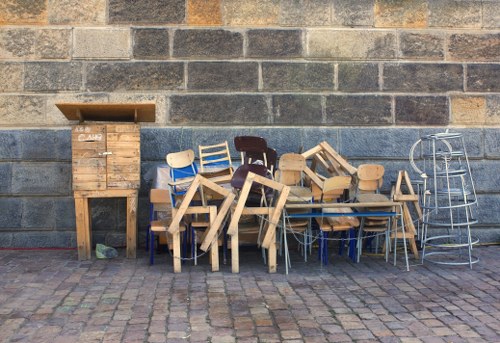
Construction and demolition projects in Colindale are booming, bringing with them the challenge of managing construction waste effectively. Proper disposal not only ensures compliance with local regulations but also contributes to environmental sustainability.
Understanding the types of construction waste is the first step towards efficient disposal. Common waste materials include bricks, concrete, wood, metals, and packaging materials. Each type requires specific handling and disposal methods to minimize environmental impact.
Implementing an effective waste management plan can lead to significant cost savings and reduce the burden on local landfill sites. Colindale businesses can benefit from streamlined processes that promote recycling and responsible disposal practices.
Types of Construction Waste

Construction waste encompasses a wide range of materials generated during building projects. These materials can be broadly categorized into:
- Concrete and Masonry: Includes broken bricks, blocks, and concrete slabs.
- Wood and Timber: Offcuts, pallets, and leftover lumber.
- Metals: Steel, aluminum, and copper scraps.
- Plastics: Packaging, pipes, and insulation materials.
- Hazardous Materials: Paints, solvents, and asbestos-containing materials.
Proper segregation of these materials at the source can enhance recycling efforts and reduce the volume of waste destined for landfills.
Regulations and Compliance

Colindale adheres to strict waste management regulations to ensure environmental protection and public health. Compliance with these regulations is mandatory for all construction projects.
Key regulatory requirements include obtaining necessary permits for waste disposal, adhering to transportation guidelines, and maintaining accurate records of waste generated and disposed of.
Failure to comply with these regulations can result in hefty fines and project delays. Therefore, staying informed about local laws and working with certified waste disposal services is crucial.
Waste Disposal Methods
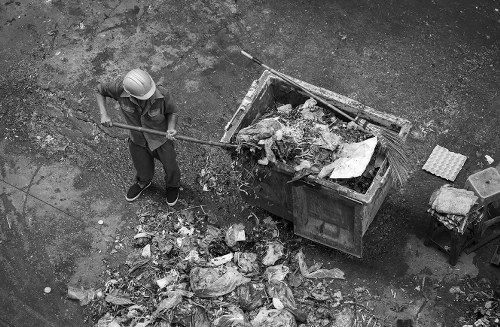
There are several methods available for disposing of construction waste in Colindale, each suited to different types of materials and project needs.
- Recycling: Materials like metals, wood, and certain plastics can be recycled, reducing the need for new raw materials.
- Landfilling: Suitable for non-recyclable and inert materials. However, it should be minimized due to environmental concerns.
- Reuse: Salvaging materials for future projects can significantly cut costs and waste.
- Energy Recovery: Incineration of certain wastes to generate energy, though this method must be carefully managed to prevent pollution.
Choosing the right disposal method depends on the type of waste, project scale, and sustainability goals.
Choosing a Waste Disposal Service

Selecting a reliable waste disposal service in Colindale is essential for efficient waste management. Key factors to consider include:
- Certification and Licensing: Ensure the service is certified and complies with local regulations.
- **Recycling Capabilities:** Choose a provider with robust recycling programs to maximize material recovery.
- Timeliness: Reliable pickup schedules prevent on-site clutter and maintain project timelines.
- Cost-Effectiveness: Compare pricing structures to find a service that offers value without compromising quality.
Partnering with a trusted waste disposal company can streamline your construction process and support sustainability initiatives.
Benefits of Proper Waste Disposal
Effective construction waste disposal offers numerous advantages:
- Environmental Protection: Reduces pollution and conserves natural resources through recycling and responsible disposal.
- Cost Savings: Minimizes disposal fees and can generate revenue through material resale or recycling incentives.
- Regulatory Compliance: Avoids legal issues and fines by adhering to waste management laws.
- Enhanced Reputation: Demonstrates a commitment to sustainability, which can be attractive to clients and stakeholders.
Embracing proper waste disposal practices not only benefits the environment but also contributes to the overall success of construction projects.
Implementing a Waste Management Plan
A comprehensive waste management plan is vital for efficient construction waste disposal. Here’s how to create one:
- Assessment: Evaluate the types and quantities of waste your project will generate.
- Segregation: Organize waste at the source to facilitate recycling and disposal.
- Storage: Provide designated areas for different types of waste to prevent contamination.
- Transportation: Schedule regular pickups and ensure proper handling of waste materials.
- Documentation: Keep records of waste generation, disposal methods, and recycling rates.
Regularly reviewing and updating the plan ensures continuous improvement and adapts to changing project needs.
Innovative Solutions in Waste Disposal
Advancements in technology are revolutionizing construction waste disposal:
- Waste Tracking Software: Digital tools to monitor waste generation and disposal in real-time.
- On-Site Recycling: Facilities that process and recycle waste materials directly at the construction site.
- Eco-Friendly Materials: Using sustainable materials that produce less waste during construction.
- Automation: Machinery that sorts and processes waste more efficiently.
Adopting these innovative solutions can enhance the efficiency and effectiveness of your waste management efforts.
Community Impact and Sustainability
Proper construction waste disposal in Colindale has a positive impact on the local community:
- Reducing Landfill Use: Minimizes the strain on local landfill capacity and decreases environmental pollution.
- Job Creation: Recycling and waste management services generate employment opportunities.
- Public Health: Proper disposal prevents hazardous materials from contaminating the environment, safeguarding community health.
- Sustainable Development: Promotes long-term environmental stewardship and resilience in urban development.
Engaging with the community and stakeholders fosters a collaborative approach to sustainability and responsible waste management.
Case Studies in Colindale
Several construction projects in Colindale have successfully implemented effective waste disposal practices:
- The Colindale Plaza: Achieved a 75% recycling rate by segregating waste and partnering with local recycling firms.
- Green Towers Project: Utilized on-site recycling facilities, reducing transportation costs and environmental footprint.
- EcoHomes Development: Incorporated sustainable materials and waste reduction strategies, setting a benchmark for future projects.
These case studies highlight the benefits and feasibility of robust waste management strategies in construction projects.
Challenges and Solutions
Managing construction waste in Colindale comes with its set of challenges:
- Space Limitations: Urban construction sites may lack adequate space for waste storage.
- Contamination: Improperly segregated waste can lead to contamination, increasing disposal costs.
- Regulatory Changes: Keeping up with evolving waste management laws requires continuous learning and adaptation.
- Cost Constraints: Budget limitations can restrict the ability to implement comprehensive waste management plans.
Addressing these challenges involves strategic planning, investing in proper equipment, and fostering a culture of sustainability among all project stakeholders.
Future Trends in Waste Disposal
The future of construction waste disposal in Colindale is poised for significant advancements:
- Circular Economy: Emphasizing the reuse and recycling of materials to create a closed-loop system.
- Smart Waste Management: Utilizing IoT and AI to optimize waste collection and processing.
- Biodegradable Materials: Developing materials that break down naturally, reducing long-term waste.
- Collaborative Platforms: Facilitating partnerships between construction firms and waste management services for better resource sharing.
Embracing these trends will enhance the sustainability and efficiency of construction waste disposal practices.
Conclusion
Construction waste disposal in Colindale is a critical aspect of modern building projects. By understanding the types of waste, adhering to regulations, choosing the right disposal methods, and implementing effective waste management plans, construction firms can significantly reduce their environmental impact.
Investing in sustainable waste disposal practices not only ensures regulatory compliance but also contributes to cost savings, community well-being, and the overall success of construction projects.
Contact us today to learn more about how we can help you manage construction waste efficiently and sustainably in Colindale. Book your service now and take the first step towards a greener future.