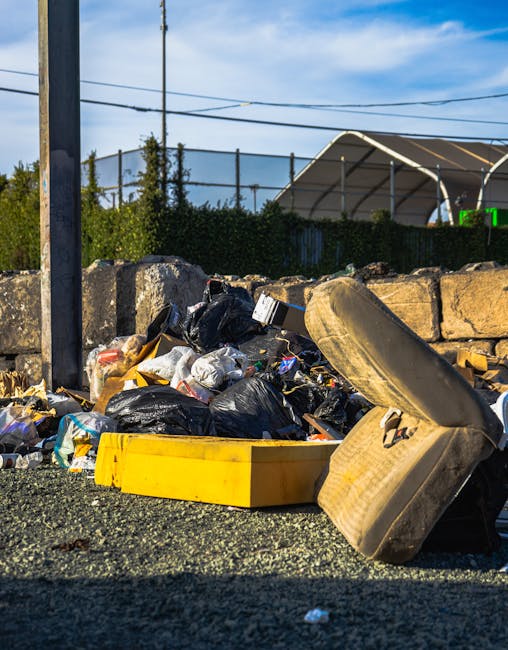
Colindale Station rubbish removal guide for NW9 residents
If you live near Colindale Station, you already know the little headaches that come with rubbish: flat clears piling up in the hallway, broken furniture waiting by the door, garden waste that somehow multiplies overnight, or renovation debris that feels one trip too many for the car. This Colindale Station rubbish removal guide for NW9 residents is here to make the whole process clearer, calmer, and a lot less messy. Whether you need a quick one-off collection, a skip for a bigger job, or help choosing the most sensible disposal method, the aim is simple: help you clear waste safely, legally, and without wasting time.
In this guide, you'll find a practical breakdown of how rubbish removal works around NW9, when different services make sense, what to watch out for, and how to avoid the common mistakes that cost people money or cause delays. Let's face it, no one wants waste hanging around longer than it has to.
Table of Contents
- Why Colindale Station rubbish removal guide for NW9 residents Matters
- How Colindale Station rubbish removal guide for NW9 residents Works
- Key Benefits and Practical Advantages
- Who This Is For and When It Makes Sense
- Step-by-Step Guidance
- Expert Tips for Better Results
- Common Mistakes to Avoid
- Tools, Resources and Recommendations
- Law, Compliance, Standards, or Best Practice
- Options, Methods, or Comparison Table
- Case Study or Real-World Example
- Practical Checklist
- Conclusion
- Frequently Asked Questions
Why Colindale Station rubbish removal guide for NW9 residents Matters
Colindale Station sits in a busy part of North West London where people live in flats, terraces, shared homes, and newer developments with limited storage. That matters because waste builds up quickly when space is tight. A bag of old clothes turns into four bags. A sofa replacement means an awkward bit of bulk waste by the front door. A bathroom refit becomes a pile of tiles, boards, and packaging that you really do not want sitting in a communal area for days.
For NW9 residents, rubbish removal is not just about convenience. It is also about access, timing, and keeping shared spaces tidy. In a busy residential area, clutter can become a nuisance to neighbours, attract complaints, and make entrances harder to use. If you have ever tried to move a bulky item down a narrow stairwell while keeping the peace with everyone else in the building, you will know exactly what I mean.
There is also a practical money angle. Choosing the wrong collection method can mean paying for more capacity than you need, or booking a service that is not suited to the type of waste you have. That is why it helps to understand the main options before you book anything.
If you are comparing disposal methods, it is worth starting with the wider rubbish removal service options and then narrowing things down based on your waste type, access, and timeframe.
How Colindale Station rubbish removal guide for NW9 residents Works
At a basic level, rubbish removal follows the same pattern: identify the waste, choose the right method, book a collection or delivery, prepare the items, and make sure everything is taken to the right destination for treatment, recycling, or disposal.
In real life, there are a few different ways this happens. Some jobs are better handled with a man and van style collection, especially when you have mixed household rubbish or a small-to-medium load. Other jobs suit a skip, particularly if you are clearing waste over a few days. For heavy or loose materials, grab hire can make more sense because the loading is done for you and you do not have to wheel everything out manually. Simple enough, but the right choice depends on the details.
A typical local rubbish removal job near Colindale Station might look like this:
- You list what needs removing.
- You check whether any items need special handling.
- You decide whether you need a same-day collection, a scheduled collection, or a skip.
- You prepare access, parking, and any lift or stair considerations.
- The waste is collected and taken away.
- Reusable or recyclable material is separated where possible.
For many NW9 homes, timing is the real trick. A collection that arrives too early can clash with school runs, work calls, or building access. One that arrives too late leaves the place in limbo. If you need speed, a same-day skip hire option or a rapid collection can be a practical fix, provided access works.
And if parking is awkward near your property, or the waste needs to be loaded quickly because space is tight, a wait and load skip hire setup can sometimes be the cleanest solution. It is the kind of option people forget exists until they are standing in the road with a sofa and a headache.
Key Benefits and Practical Advantages
The best rubbish removal solution does more than "take stuff away". It should make the job easier from start to finish. For Colindale Station and wider NW9 residents, the main benefits usually fall into six areas.
- Less disruption: Good planning means less time with rubbish blocking a hallway, driveway, or communal entrance.
- Better access management: You can choose a method that suits tight streets, limited parking, or apartment living.
- Safer handling: Heavy furniture, broken glass, and awkward waste are easier to manage when the right equipment is used.
- Cleaner recycling outcomes: Sorting waste properly improves the chance that recyclable material is separated from general rubbish.
- More control over timing: You can fit disposal around move-out dates, tradespeople, or delivery windows.
- Less stress: This one sounds obvious, but it matters. A messy property feels heavier to live in. Clear the waste, and the whole place seems to breathe again.
There is another practical advantage too: flexibility. For example, a small flat clearance may be best handled by direct removal, while a kitchen refit may need a skip and a few days' access. A loft or garage clear-out might sit somewhere in the middle. That flexibility matters because NW9 homes are not all the same, and a one-size-fits-all approach rarely works well.
For larger projects, it may also help to compare domestic skip hire with a collection-based solution. The "best" option is the one that fits your waste volume, access, and deadline, not the one that sounds neatest in theory.
Who This Is For and When It Makes Sense
This guide is for anyone in NW9 who needs to clear waste without making life harder than it needs to be. That includes people in rented flats, leasehold homes, family houses, shared properties, and small business premises close to Colindale Station.
It makes sense if you are dealing with:
- household rubbish after a tidy-up or move
- old furniture and soft furnishings
- DIY waste from a bathroom, kitchen, or decorating job
- garden cuttings and seasonal green waste
- garage, loft, or shed clutter
- office or retail clear-outs
- bulky items that are too awkward for normal council-style bins
It also makes sense if you are trying to decide between a skip and a collection. A lot of people jump too quickly into booking whatever seems easiest. Then they realise the street is too tight, the waste is mixed, or the load is too small for a skip to feel sensible. That is where a bit of planning saves both time and frustration.
For business users, the same logic applies. A small office refresh can often be handled efficiently with commercial skip hire or a collection service, while a larger premises clear-out may need something more structured. If you are not sure, that is normal. A quick review of the waste type usually clears it up.
Step-by-Step Guidance
Here is a straightforward way to approach rubbish removal near Colindale Station without overcomplicating it.
1. Identify exactly what you need removed
Start with the obvious question: what is actually going? Separate furniture, bagged waste, heavy rubble, green waste, electrical items, and anything that may need special handling. This matters because mixed waste often needs a different service from clean, single-stream material.
2. Check access before you book
Think about stairs, lifts, parking, loading distance, and whether the vehicle can get close enough. Near station areas, access can be the deciding factor. If the loading bay is limited or parking is uncertain, a different method may be easier.
3. Match the method to the waste
For general household rubbish and smaller loads, collection services often work well. For ongoing DIY work or larger volumes, a skip can be the better choice. For heavy building waste, a more specialist setup may be needed. If you are disposing of mixed building debris, the pages on builders skip hire and construction waste disposal are useful references.
4. Separate restricted items early
Some waste should not go into general mixed loads. Typical examples include certain hazardous materials, fridges with gas components, and some electrical equipment. Do not leave this until the day of collection. It always causes a last-minute shuffle, usually when everyone is already tired.
5. Prepare the items for removal
Break down furniture if that makes carrying easier. Put loose bagged waste together. Keep pathways clear. If you live in a shared block, let neighbours know if there will be brief loading activity. A small bit of courtesy goes a long way.
6. Confirm pricing and what is included
Before you commit, make sure you understand what the price covers. Is loading included? Are there extra charges for stairs, long carries, or heavy items? If you want to compare options properly, the pricing and quotes information can help frame the right questions.
7. Ask where the waste goes
You do not need to know every detail, but it is sensible to ask how waste is sorted and handled. A good provider should be clear about recycling and responsible disposal. That is especially important when you care about environmental impact, which many NW9 residents do.
Expert Tips for Better Results
There are a few simple habits that make rubbish removal much smoother. They are not glamorous. They just work.
- Group similar waste together. It speeds up loading and helps avoid mixed waste confusion.
- Measure bulky items. A wardrobe can look harmless until it meets a narrow stairwell.
- Use photos when getting a quote. This helps avoid underestimating the load. It sounds small, but it saves a lot of back-and-forth.
- Allow a little buffer time. If you are moving out or having trades in, do not schedule rubbish removal to the minute.
- Think about noise and neighbours. Early morning collections in residential blocks can be awkward. Best to plan with care.
- Keep valuable items separate. Once clearing starts, useful things have a habit of disappearing into the wrong pile. Happens more than people admit.
For waste that can be reused or recycled, ask about the provider's sorting process. If sustainability matters to you, a service with clear recycling practices is a better fit. You can also read more about recycling and sustainability to understand the wider approach.
If you are clearing a loft, garage, or storage room, it often helps to sort into three piles before anything moves: keep, donate or reuse, and remove. That tiny bit of structure can cut the job in half. No exaggeration.
Common Mistakes to Avoid
A lot of rubbish removal problems are avoidable. Most of them come down to rushing the planning stage.
- Booking the wrong type of service: A van collection may be ideal for one job and hopeless for another.
- Underestimating volume: A half-full room can produce far more waste than expected once things are broken down.
- Ignoring access constraints: Tight roads, parking rules, and staircase access can change the whole plan.
- Mixing prohibited items with general waste: This creates delays and sometimes extra handling requirements.
- Forgetting to check permit needs: If you need a skip on public land, that may involve a permit. More on that below.
- Not asking about recycling: Some people assume it is automatic. Sometimes it is, but not always in the way you expect.
One of the more common mistakes, truth be told, is assuming that the cheapest option is the best option. It rarely is. The cheapest quote can become expensive once you factor in delays, extra labour, or a second collection because the load was too small or too large.
Tools, Resources and Recommendations
You do not need a warehouse full of gear to handle rubbish removal well. A few basic tools and a clear plan are usually enough.
- Heavy-duty bags: Useful for loose waste, clothing, and general household items.
- Work gloves: Helpful for sharp edges, splinters, and dusty items.
- Tape measure: A surprisingly handy way to avoid furniture surprises.
- Marker pen and labels: Great for sorting keep/recycle/remove piles.
- Phone camera: Ideal for taking photos for quotes or recording what needs moving.
For bigger or mixed waste jobs, the most useful internal resources are often the ones that help you plan properly. If you are weighing up containers, compare skip sizes and prices before choosing a container you may not fill. If you are dealing with awkward access, grab hire services can be worth a look. And if you are stripping out a loft, cupboard, or storage space, garage and loft clearance is a helpful related service.
For specific item types, it also helps to check whether a specialist disposal route is better. For instance, old mattresses, sofas, appliances, and confidential paperwork are often handled more cleanly through dedicated services such as mattress and sofa disposal, fridge and appliance removal, or confidential shredding. That is the kind of detail that can make a job feel properly organised rather than slightly chaotic.
Law, Compliance, Standards, or Best Practice
Waste removal in the UK should always be handled responsibly. You do not need to become a legal expert to stay on the right side of things, but you should understand a few basics.
First, waste should be transferred to an authorised carrier and taken to an appropriate facility. Second, different waste streams may need different handling. Third, some items require extra caution because they can be hazardous, bulky, or difficult to recycle safely. That includes items such as chemicals, asbestos-related material, gas bottles, and some electrical or refrigeration items. If there is any doubt, treat it carefully and ask before putting it into a general load.
For skip use, there may be rules around placement on public roads or pavements, and a permit may be required. If that is relevant to your street or project, it is worth checking the specifics on skip hire permits and the related skip permits page. The wording can look repetitive, but the practical point is simple: do not assume a skip can go anywhere without permission.
Good practice also means protecting people and property. A tidy loading area, safe lifting, and sensible item sorting are all part of the job. If you are booking a provider, it is reasonable to ask about safety procedures and insurance. The pages on health and safety policy and insurance and safety are useful if you want to understand the standards behind the service.
One final note: if you are unsure whether something counts as hazardous or specialist waste, do not guess. A quick clarification is far better than an avoidable problem later.
Options, Methods, or Comparison Table
Choosing between collection-based rubbish removal, skip hire, grab hire, or wait-and-load usually comes down to access, waste type, and how long the job will take. Here is a practical comparison.
| Method | Best for | Main advantage | Possible drawback |
|---|---|---|---|
| Rubbish removal collection | General household waste, mixed items, quick clear-outs | Simple and fast, often with loading help | Less suitable for ongoing projects with lots of waste |
| Skip hire | DIY projects, renovations, longer clearances | Flexible loading over time | May need a permit or space outside the property |
| Wait and load | Tight streets, short loading windows, no room for a skip | No long-term street obstruction | Requires the waste to be ready quickly |
| Grab hire | Heavy or loose loads, bulky clearance, mixed hardcore | Useful where manual loading is difficult | Needs enough access for the vehicle and reach |
| Man and van | Small-to-medium loads, flexible clear-outs | Good for awkward items and short-notice jobs | May not suit heavy construction waste |
There is no single winner. For a small flat clearance near the station, a van-based service may be perfect. For a kitchen rip-out, a skip might be more practical. For a rear garden clearance with awkward access, grab hire could be the most sensible route. It depends, and that is okay.
If you want a better feel for the approach, the man and van and skip hire options are worth comparing before you commit.
Case Study or Real-World Example
Here is a realistic example from the sort of work NW9 residents often face.
A couple in a Colindale flat were preparing to hand back their tenancy and had accumulated a bit of everything: a broken chair, a small bookcase, several bags of mixed clutter, an old mattress, and the remains of a wardrobe flat-pack project that had gone nowhere. Nothing dramatic. Just the kind of end-of-tenancy mess that quietly grows in a corner and starts to feel like part of the furniture.
At first, they assumed a skip would be easiest. But access was tight, parking was limited, and they only needed a single collection. After checking the options, they chose a rubbish removal service that handled loading and took away the items in one visit. The mattress went separately through the correct route, and the remaining mixed waste was removed without blocking the shared entrance for long.
The useful lesson? They did not need the biggest solution. They needed the right one. That is usually how it goes, especially around station areas where access matters as much as volume.
Another common scenario is a small home renovation. Suppose you are replacing a bathroom in a NW9 maisonette. The waste may include tiles, packaging, plasterboard, broken fittings, and a few heavy bits you would rather not move twice. In that case, a project-based option like builders waste removal or builders skip hire may be more efficient than repeated small collections. A little planning at the start saves a lot of carrying later.
Practical Checklist
Use this quick checklist before you book anything.
- Identify every item or waste type to be removed.
- Separate general rubbish from specialist items.
- Measure bulky furniture and check access routes.
- Decide whether the job is a one-off or part of a longer project.
- Compare a collection, skip, grab hire, or wait-and-load approach.
- Check whether a permit might be needed for a skip.
- Ask what happens to recyclable material.
- Confirm any additional charges before you agree.
- Prepare the waste so it is easy to load.
- Keep pathways, entrances, and shared areas clear.
If the job is larger or more complicated than expected, do not panic. It is normal for a clear-out to feel bigger once you start sorting. That does not mean you got it wrong. It just means the job is now visible, which can be a relief in itself.
Conclusion
Rubbish removal around Colindale Station is really about matching the right method to the real-world situation in front of you. For NW9 residents, that usually means thinking about access, timing, load size, and the type of waste before making a booking. Do that, and the whole process becomes much easier.
Whether you are clearing a flat, handling renovation debris, or simply trying to get your home back to normal after a busy few months, a sensible plan makes all the difference. The best results come from clear sorting, honest estimates, and choosing a service that fits your space rather than fighting it.
If you are still comparing options, take your time and make the choice that feels calm, practical, and proportionate. That is almost always the right call.
Get a free quote today and see how much you can save.
Frequently Asked Questions
What is the best rubbish removal option for Colindale Station residents?
It depends on the amount and type of waste. For small mixed loads, a van collection is often easiest. For ongoing home improvements, a skip may be better. For tight access, wait and load can be a smart choice.
Do I need a skip permit in NW9?
If the skip goes on a public road or other public land, you may need a permit. If it stays fully on private property, a permit may not be needed. Always check before you book, because the rules can affect timing.
Can I put furniture in a rubbish removal load?
Yes, in many cases you can. Sofas, chairs, tables, and wardrobes are common items for removal. If you have mattresses or particularly large pieces, it may help to use a service that deals with bulky items specifically.
What happens to the rubbish after it is collected?
Waste is normally sorted for recycling, reuse, or disposal depending on the material. A good provider should be transparent about how waste is handled and what can be diverted from landfill.
Is same-day rubbish removal available near Colindale Station?
Sometimes, yes. Availability depends on demand, access, and the type of waste. If you need a fast turnaround, ask early and be ready to describe the load clearly.
How do I know whether I need skip hire or rubbish removal?
If you have waste building up over several days, skip hire can be convenient. If you want everything gone in one visit and need help loading, rubbish removal is often better. Access usually tips the decision one way or the other.
Can I mix garden waste with general rubbish?
Sometimes it is possible, but it is often cleaner and more efficient to separate garden waste where you can. Mixed loads may be handled differently, so ask first rather than assuming.
What items should not go in a general waste load?
Items that may need special handling include hazardous materials, chemicals, gas bottles, some electrical equipment, and certain refrigeration items. If you are unsure, ask before loading them in.
How much does rubbish removal usually cost?
Prices vary depending on volume, access, labour, and waste type. The best way to get a realistic figure is to provide clear details or photos and compare options carefully.
Can businesses near Colindale Station use rubbish removal too?
Yes. Offices, shops, and other commercial premises often use collections or skip-based solutions for clear-outs, refurbishments, and general waste management. The right method depends on the size of the job.
What is wait and load rubbish removal?
Wait and load means the vehicle arrives, waits while the waste is loaded, and then leaves with it. It is useful where there is no room for a skip or where you want to avoid leaving waste outside for long.
How can I make my rubbish removal go faster?
Sort the waste in advance, clear access paths, separate restricted items, and take photos before booking. A little prep goes a long way, and it tends to reduce stress on the day too.