Comprehensive Guide to Construction Waste Clearance in Colindale
Understanding Construction Waste Clearance
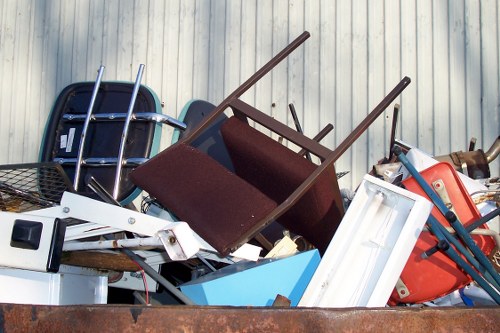
Construction projects, whether large or small, invariably produce a significant amount of waste. Proper construction waste clearance in Colindale is essential not only for maintaining a clean and safe worksite but also for complying with local regulations and promoting environmental sustainability. Effective waste management can lead to cost savings, increased efficiency, and a positive reputation for your construction business.
In Colindale, the demand for reliable construction waste clearance services has grown alongside the expansion of the construction industry. With numerous construction sites scattered across the area, the need for proper waste disposal solutions has never been more critical.
Construction waste includes materials such as bricks, concrete, wood, metal, and various other debris generated during the building process. Managing this waste responsibly ensures that it does not negatively impact the surrounding environment or community.
The Importance of Effective Waste Clearance
Implementing effective waste clearance practices is vital for several reasons. First and foremost, it ensures compliance with environmental regulations set by local authorities in Colindale. Failure to adhere to these regulations can result in hefty fines and legal complications.
Moreover, proper waste clearance contributes to the overall efficiency of construction projects. By systematically removing waste, workers can maintain a clutter-free workspace, reducing the risk of accidents and improving productivity.
Additionally, responsible waste management supports sustainability efforts by promoting recycling and reducing the amount of waste sent to landfills. This not only benefits the environment but also enhances the reputation of construction companies as environmentally conscious businesses.
Types of Construction Waste
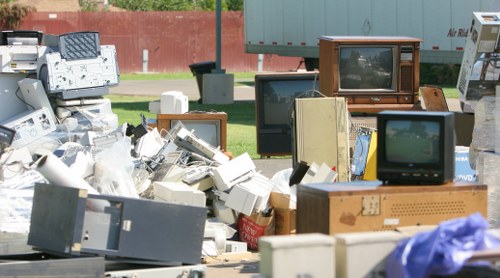
Construction waste can be categorized into several types, each requiring specific disposal methods:
- Concrete and Masonry: These materials are often recycled and repurposed for new construction projects.
- Wood: Untreated wood can be recycled, while treated wood may require special handling.
- Metals: Metals are highly recyclable and can be sold to scrap yards.
- Plastics: Various types of plastics can be recycled or disposed of safely.
- Hazardous Materials: Items like asbestos and lead-containing materials require specialized disposal procedures.
Understanding the different types of waste generated helps in selecting the appropriate clearance methods and ensures compliance with local disposal regulations.
Choosing the Right Waste Clearance Service
Factors to Consider
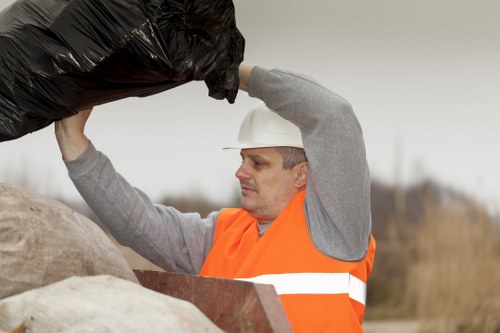
Selecting a reliable waste clearance service in Colindale involves evaluating several key factors:
- Experience and Expertise: Choose a company with a proven track record in handling construction waste.
- Compliance: Ensure the service provider adheres to local regulations and holds necessary licenses.
- Recycling Practices: Opt for companies that prioritize recycling and sustainable disposal methods.
- Efficiency: Timely waste clearance can significantly impact the overall progress of your construction project.
- Cost: Compare pricing structures to find a service that fits your budget without compromising quality.
By carefully evaluating these factors, you can select a waste clearance service that meets your project’s specific needs and supports your sustainability goals.

Steps Involved in Construction Waste Clearance
1. Assessment and Planning
The first step in any effective construction waste clearance is a thorough assessment of the site. This involves identifying the types and quantities of waste generated, understanding the project timeline, and determining the appropriate disposal methods.
2. Sorting and Segregation
Proper sorting of waste materials ensures that recyclable and reusable items are separated from non-recyclable waste. This step is crucial for minimizing the environmental impact and optimizing recycling efforts.
3. Transportation
Once the waste is sorted, it needs to be transported to designated disposal or recycling facilities. Partnering with a waste clearance service that offers efficient transportation solutions can streamline this process.
4. Disposal and Recycling
Final disposal of non-recyclable waste must comply with local regulations, while recyclable materials should be processed appropriately to reduce environmental harm.
5. Documentation and Reporting
Maintaining accurate records of waste disposal activities helps in regulatory compliance and provides transparency for stakeholders involved in the construction project.
Following these steps ensures a systematic and efficient approach to construction waste clearance, enhancing the overall success of your project.
Environmental Benefits of Proper Waste Clearance
Effective waste clearance practices offer substantial environmental benefits. By reducing the volume of waste sent to landfills, we can significantly decrease greenhouse gas emissions and minimize the strain on natural resources.
Recycling materials like concrete, metals, and plastics not only conserves resources but also reduces the need for new raw materials, leading to lower environmental degradation.
Additionally, proper disposal of hazardous materials ensures that toxic substances do not contaminate soil and water sources, safeguarding public health and the ecosystem.
Economic Advantages of Efficient Waste Management
Investing in professional construction waste clearance can yield significant economic benefits. Efficient waste management can lower overall project costs by reducing the need for frequent site cleanups and minimizing potential fines for non-compliance.
Furthermore, recycling materials can create additional revenue streams for construction companies. Selling recycled materials or repurposing them for new projects can offset disposal costs and contribute to the company's profitability.
Effective waste management also enhances operational efficiency, allowing construction teams to focus more on their core activities rather than dealing with waste-related issues.
Regulatory Compliance in Colindale
Compliance with local regulations is a critical aspect of construction waste clearance. Colindale has specific guidelines and standards that must be adhered to in order to ensure lawful and responsible waste disposal.
Key regulations may include:
- Waste Sorting Requirements: Proper segregation of different types of waste is often mandated.
- Licensed Disposal Facilities: Only authorized facilities can accept certain types of construction waste.
- Documentation: Accurate record-keeping of waste disposal is necessary for regulatory inspections.
- Environmental Protection Laws: Ensuring that waste disposal methods do not harm the environment.
Adhering to these regulations not only avoids legal repercussions but also promotes sustainable practices within the construction industry.
Innovative Technologies in Waste Clearance
The construction industry in Colindale is increasingly adopting innovative technologies to enhance waste clearance processes. These advancements contribute to more efficient, cost-effective, and environmentally friendly waste management solutions.
- Automated Sorting Systems: Use of robotics and AI to sort and categorize waste materials accurately.
- Recycling Technologies: Advanced facilities that can process a wider range of materials, increasing recycling rates.
- Waste Tracking Software: Digital tools that monitor waste generation and disposal, ensuring compliance and optimizing logistics.
- On-site Treatment Solutions: Portable treatment units that prepare waste for recycling or disposal directly at the construction site.
Embracing these technologies not only improves the efficiency of waste clearance operations but also aligns construction projects with modern sustainability standards.
Best Practices for Construction Waste Clearance
1. Implement a Waste Management Plan
Developing a comprehensive waste management plan is the foundation of effective waste clearance. This plan should outline the strategies for waste reduction, sorting, transportation, and disposal tailored to your specific construction project.
2. Train Your Team
Ensuring that all team members are educated on proper waste handling procedures is crucial. Training can prevent contamination of recyclable materials and ensure that hazardous waste is managed safely.
3. Monitor Waste Generation
Regularly tracking the amount and types of waste produced can help identify areas for improvement and optimize waste management practices.
4. Partner with Reputable Waste Clearance Services
Collaborating with experienced and reliable waste clearance providers ensures that your waste management needs are met efficiently and in compliance with local regulations.
5. Promote Recycling and Reuse
Encouraging the recycling and reuse of materials not only reduces waste but also supports sustainable construction practices.
By adhering to these best practices, construction projects in Colindale can achieve effective waste clearance, contributing to overall project success and environmental stewardship.
Cost-Effective Waste Clearance Solutions
Managing construction waste does not have to be prohibitively expensive. By adopting cost-effective waste clearance solutions, construction companies can maintain profitability while ensuring responsible waste management.
Some strategies to reduce waste clearance costs include:
- Minimizing Waste Generation: Implementing design and construction techniques that reduce material waste.
- Maximizing Recycling: Increasing the percentage of waste that can be recycled to lower disposal costs.
- Efficient Scheduling: Coordinating waste clearance activities to reduce the frequency of pickups and transportation expenses.
- Bulk Disposal Discounts: Negotiating pricing with waste clearance services for large volumes of waste.
These approaches help in managing construction waste effectively without straining the project budget.
Environmental Impact of Improper Waste Clearance
Neglecting proper waste clearance practices can have severe environmental consequences. Improper disposal of construction waste can lead to soil and water contamination, negatively impacting local ecosystems and public health in Colindale.
Additionally, excessive waste contributes to the depletion of natural resources and increases the burden on landfills, which are already facing capacity issues.
By prioritizing responsible waste management, construction projects can mitigate these adverse effects and contribute positively to the environment.
Future Trends in Construction Waste Management
The field of construction waste clearance is evolving with emerging trends aimed at enhancing sustainability and efficiency. Some of the future trends include:
- Circular Economy: Promoting the reuse and recycling of materials to create a closed-loop system.
- Smart Waste Management: Integrating IoT and data analytics to optimize waste collection and processing.
- Green Building Standards: Adhering to increasingly stringent environmental standards in construction practices.
- Biodegradable Materials: Developing and using materials that have minimal environmental impact and are easier to dispose of.
- Collaborative Platforms: Utilizing digital platforms to coordinate waste management activities among stakeholders.
Staying abreast of these trends allows construction companies in Colindale to adopt innovative waste clearance solutions that align with global sustainability goals.
Case Studies: Successful Waste Clearance in Colindale
Project A: High-Rise Construction
In a recent high-rise construction project in Colindale, implementing an effective waste clearance strategy resulted in a 30% reduction in overall waste. By partnering with a local waste clearance service and incorporating advanced recycling techniques, the project not only stayed within budget but also achieved its sustainability targets.
Project B: Residential Development
A residential development project successfully minimized its environmental footprint through meticulous waste management planning. The use of segregated waste containers and regular audits ensured compliance with local regulations and promoted a culture of recycling among the workforce.
Project C: Commercial Complex
The construction of a new commercial complex in Colindale showcased the benefits of leveraging technology in waste clearance. Utilizing waste tracking software allowed for real-time monitoring and efficient disposal, leading to increased transparency and accountability.
These case studies illustrate the tangible benefits of effective construction waste clearance strategies, highlighting their impact on project success and environmental sustainability.
Getting Started with Construction Waste Clearance
Embarking on a construction project in Colindale? Ensure that construction waste clearance is a key component of your project plan. Here’s how you can get started:
- Assess Your Needs: Determine the volume and types of waste your project will generate.
- Develop a Plan: Create a comprehensive waste management plan tailored to your project’s requirements.
- Select a Service Provider: Choose a reputable waste clearance company with experience in construction waste management.
- Implement Best Practices: Train your team and establish protocols for waste sorting, handling, and disposal.
- Monitor and Adjust: Continuously track waste generation and clearance activities, making adjustments as needed to optimize efficiency.
By following these steps, you can ensure that your construction project in Colindale operates smoothly, remains compliant with regulations, and contributes positively to environmental sustainability.
Contact us today to learn more about our expert construction waste clearance services in Colindale and ensure your project stays on track and environmentally responsible.